
EU Caps Hybrid Imports From China at 191,780 Cars Until June 2027
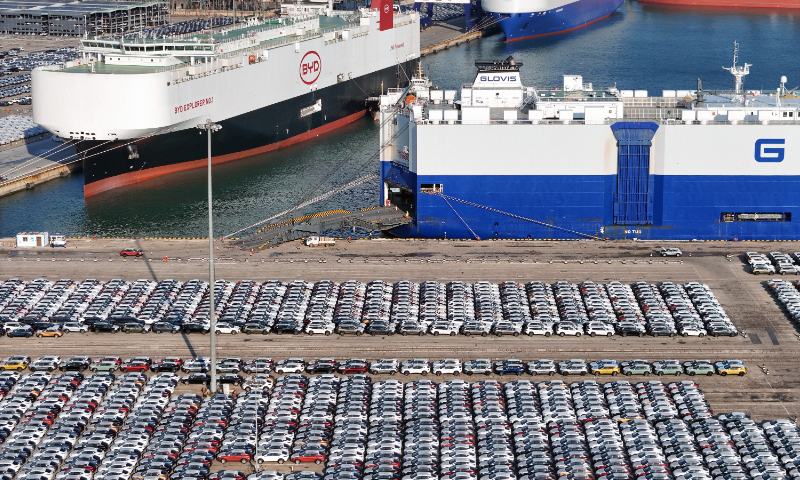
The European Union will start limiting hybrid car imports on December 1. For cars built in China, the cap is 191,780 hybrids and plug-in hybrids between December 1, 2026 and June 18, 2027. When the limit for a period is used up, EU customs will stop clearing them until the next period opens.
How the quota works
The European Commission published the measure on November 24 as a temporary “safeguard”, lasting up to 200 days. Each large exporting country gets a quota set a little over 15% above what it shipped to the EU in 2025. Smaller exporters share what is left.
China’s allowance is split into three blocks, and any unused quota carries over to the next one:
- December to February: 86,301 cars
- March to May: 88,219 cars
- June 1 to 18: 17,260 cars
The cap covers full hybrids, plug-in hybrids and mild hybrids. Range-extender EVs, where the engine only charges the battery, are outside it. They already pay the same extra duties the EU put on Chinese electric cars in October 2024. Cars cleared before December 1 can still be sold, and hybrids that Chinese brands build inside the EU do not count.
Why the EU did it
Chinese hybrid imports to the EU nearly tripled, from about 107,000 in 2024 to about 302,000 in 2025, and are heading for around 800,000 in 2026. The Commission says European carmakers are losing market share and face a near-term threat of serious harm. In the first ten months of 2026, Chinese models held the top three places in Europe’s plug-in hybrid sales: the BYD Seal U, BYD Atto 2 and Jaecoo 7. The EU is still deciding whether longer-term limits are needed.
China’s response
China’s Ministry of Commerce says it keeps all its rights under WTO rules, including a formal dispute and trade compensation. It pointed out that the EU acted less than a month after opening its investigation on October 30. It also urged the EU to stick to the understanding both sides reached in October.
What it means for Nepal
The quota has no direct effect here, since Nepal sets its own import rules. Several of the affected models come from brands already sold in Nepal, including BYD and Jaecoo. If Europe takes fewer Chinese hybrids, carmakers may push harder into other markets, but none has announced any change for Nepal.
Source: CarNewsChina, CnEVPost